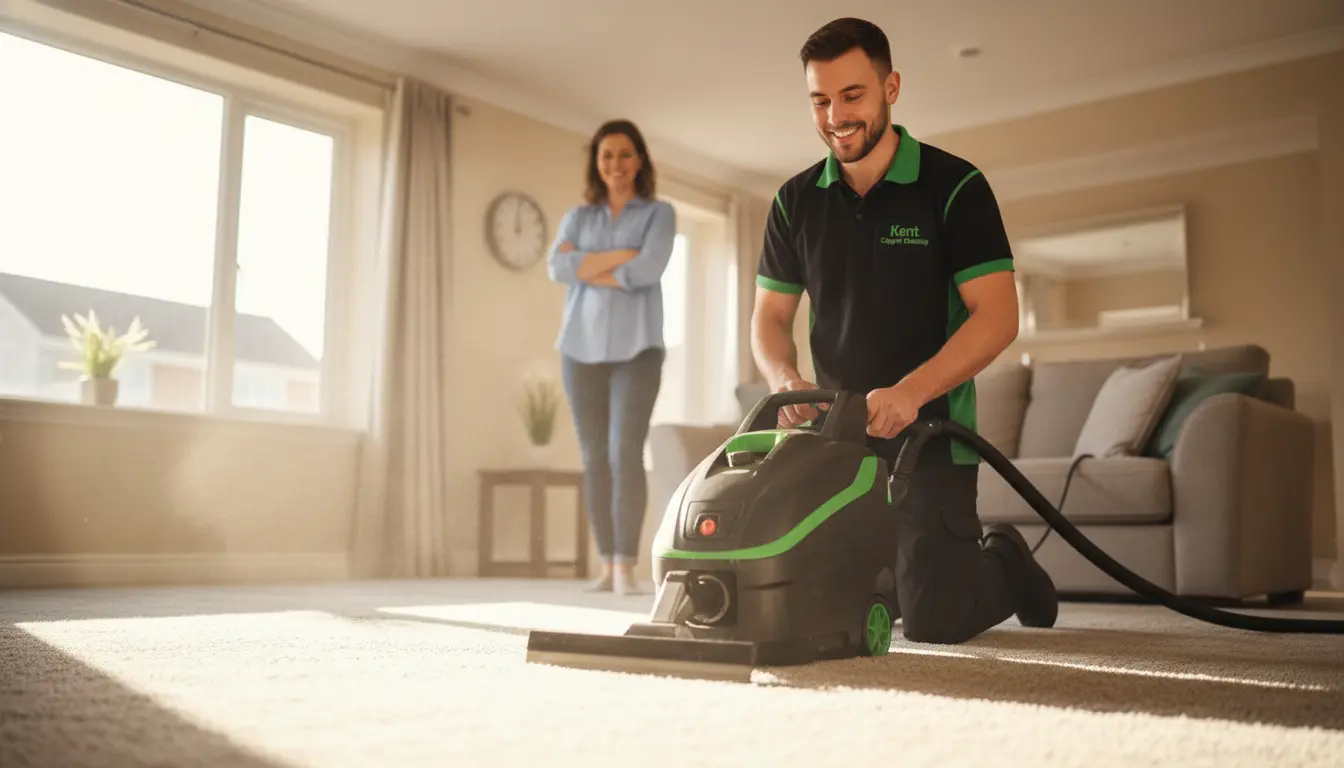
Did you know that your cozy carpet might be a secret breeding ground for allergens? While it provides warmth and comfort underfoot, it can also trap dust mites, pet dander, pollen, and mold spores—silent culprits behind sneezes, itchy eyes, and sleepless nights. In Kent, where homes often battle seasonal pollen from local parks and urban dust, these hidden threats are more prevalent than you think. As a leading provider of residential carpet cleaning in the area, Kent Carpet Cleaning has seen firsthand how allergens accumulate in carpets. In this post, we’ll dive into eye-opening statistics, explore the risks, and share practical ways to reclaim your indoor air quality. Stick around to learn how professional intervention can make a world of difference.
The Hidden Dangers: What Allergens Lurk in Carpets?
Carpets aren’t just fabric; they’re like magnets for microscopic invaders. According to the Asthma and Allergy Foundation of America, indoor allergens are responsible for up to 80% of allergy symptoms in homes. But let’s get specific to carpets.
Dust Mites: The Unseen Army
Dust mites thrive in the warm, humid environment of your carpet fibers, feeding on dead skin cells shed by you and your family. A single gram of dust can house up to 1,000 dust mites, producing allergens in their waste that trigger asthma and allergies. Shocking stat: The average carpet can harbor 100,000 dust mites per square yard after just six months of use, per research from the Journal of Allergy and Clinical Immunology. In Kent’s variable climate, with its damp winters, this proliferation is even worse, turning your living room into a mite metropolis.
Pet Dander and Pollen: Seasonal Sneak Attacks
If you have furry friends or live near Kent’s green spaces like those in Milton, pet dander and pollen are constant companions. Pet dander—tiny flakes of skin—can linger in carpets for months, with studies showing that 85% of homes with pets have elevated dander levels. Pollen, carried in on shoes from outdoor activities in areas like Benson Hill, adds to the mix. The EPA reports that carpets can trap up to 85% of airborne particles, including pollen, making them a reservoir for seasonal allergies that affect over 50 million Americans annually.
Mold and Bacteria: The Damp Culprits
Kent’s proximity to waterways and rainy weather creates ideal conditions for mold growth in carpets, especially in basements or high-traffic areas. A damp carpet can develop mold colonies within 24-48 hours, releasing spores that irritate lungs and sinuses. According to the CDC, mold exposure contributes to 10% of allergy cases, and carpets in humid environments can contain up to 1,000 times more bacteria than toilet seats—yes, you read that right!
Shocking Statistics That Will Make You Rethink Your Rug
Let’s arm you with data to underscore the urgency. These stats aren’t just numbers; they’re wake-up calls for Kent homeowners.
-
Allergen Accumulation Rate: Carpets trap 4 times their weight in dirt and allergens over time, per the Carpet and Rug Institute. In a typical Kent household, this means pounds of invisible gunk building up yearly.
-
Health Impact: The World Health Organization estimates that poor indoor air quality, exacerbated by dirty carpets, leads to 4.3 million premature deaths globally each year. Locally, allergy sufferers in Kent report a 30% increase in symptoms during peak pollen seasons, often linked to home allergens.
-
Deep Penetration: Only 20% of vacuuming removes surface allergens; the rest burrow deep into fibers. Professional stain removal service can extract up to 97% more, revealing what’s truly hiding.
-
Economic Toll: Allergy-related medical visits cost U.S. households $18 billion annually. In Kent, where families juggle busy lives, avoiding these expenses through prevention is key.
These figures highlight why regular maintenance isn’t optional—it’s essential for health and peace of mind.
Practical Tips to Combat Carpet Allergens at Home
You don’t have to wait for a crisis to act. Here are actionable steps tailored for Kent residents to reduce allergens right now.
Daily Habits for Allergen Control
Start small: Remove shoes at the door to prevent tracking in Lakeland dirt or pollen. Use doormats and encourage a no-shoes policy indoors. Vacuum high-traffic areas twice weekly with a HEPA-filter vacuum, focusing on edges where allergens accumulate. In Kent’s pollen-heavy springs, this simple routine can cut airborne particles by 50%.
Weekly Deep Cleans
Beyond vacuuming, sprinkle baking soda on carpets, let it sit for 15 minutes to absorb odors and allergens, then vacuum it up. For pet owners, brush animals outside and wipe their paws post-walks around Sumner trails. Maintain humidity below 50% with dehumidifiers, especially in older Kent homes prone to dampness.
Invest in Protection
Consider fabric protection application to create a barrier against spills and allergens. This treatment repels dirt, making future cleanings easier and extending your carpet’s life. For allergy-prone families, it’s a game-changer, reducing mite populations by up to 90%.
When to Call the Pros
DIY helps, but for shocking allergen loads, professional allergy relief cleaning is unmatched. Our steam extraction method at Kent Carpet Cleaning removes embedded particles that vacuums miss, using eco-friendly solutions safe for Kent’s families and pets. Schedule emergency carpet cleaning if you notice sudden allergy flares—don’t let hidden threats win.
Local Insights: Allergens in Kent Homes
Kent’s unique environment amplifies carpet allergen issues. With its mix of urban and suburban living, plus proximity to industrial areas and natural pollen sources, homes here see higher dust and mold risks. A local study by the Puget Sound Clean Air Agency found that indoor allergens in Washington homes are 2-3 times higher than outdoor levels during winter. In neighborhoods like Panther Lake, where basements flood easily, mold in carpets is a common complaint. Kent Carpet Cleaning serves all these areas, offering tailored services to combat regional challenges. Whether you’re in a bustling family home or a quiet apartment, our team understands Kent’s specific needs.
FAQ: Common Questions About Carpet Allergens
1. How often should I clean my carpets to control allergens?
For most Kent homes, professional cleaning every 6-12 months is ideal, plus weekly vacuuming. High-traffic or pet-filled houses may need quarterly deep cleans to keep allergens at bay.
2. Can vacuuming alone eliminate dust mites?
No—vacuuming removes surface debris but not the deep-seated mites. Combine it with professional allergy relief cleaning for comprehensive removal, reducing mite allergens by over 90%.
3. Are natural carpets better for allergies?
Natural fibers like wool can trap allergens similarly to synthetics if not maintained. The key is regular cleaning, not material—opt for low-pile carpets and treat with fabric protection application for easier upkeep.
4. What signs indicate allergens in my carpet?
Watch for increased sneezing, itchy skin, or musty odors. In Kent’s humid climate, visible mold or persistent dust are red flags—book a professional inspection promptly.
5. Is professional cleaning safe for kids and pets?
Absolutely. At Kent Carpet Cleaning, we use non-toxic, hypoallergenic solutions that dry quickly, ensuring your Panther Lake home is safe and fresh within hours.
Conclusion: Take Control of Your Carpet’s Hidden Allergens Today
The stats are shocking, but the solution is straightforward: Don’t let allergens turn your Kent home into a health hazard. From dust mites multiplying in dark fibers to pollen hitching rides from local parks, carpets demand attention. By adopting these tips and partnering with experts, you can breathe easier and enjoy allergen-free living.
Ready to banish those hidden threats? Contact Kent Carpet Cleaning for a free quote on residential carpet cleaning tailored to your needs. Serving all of Kent, we’re here to restore your carpets—and your comfort. Book now and step into a cleaner, healthier home!